
Addis Ababa Stakeholders Review the New EcoFoodSystems’ City Regional Decision-Support Dashboard
Ciara Varley, Anna Lorente Sebastián, Peter McKeown, Charles Spillane.
EcoFoodSystems held a consultation with Addis Ababa stakeholders to review the City Regional Level Food Systems Decision-Support Dashboard being developed by the project.
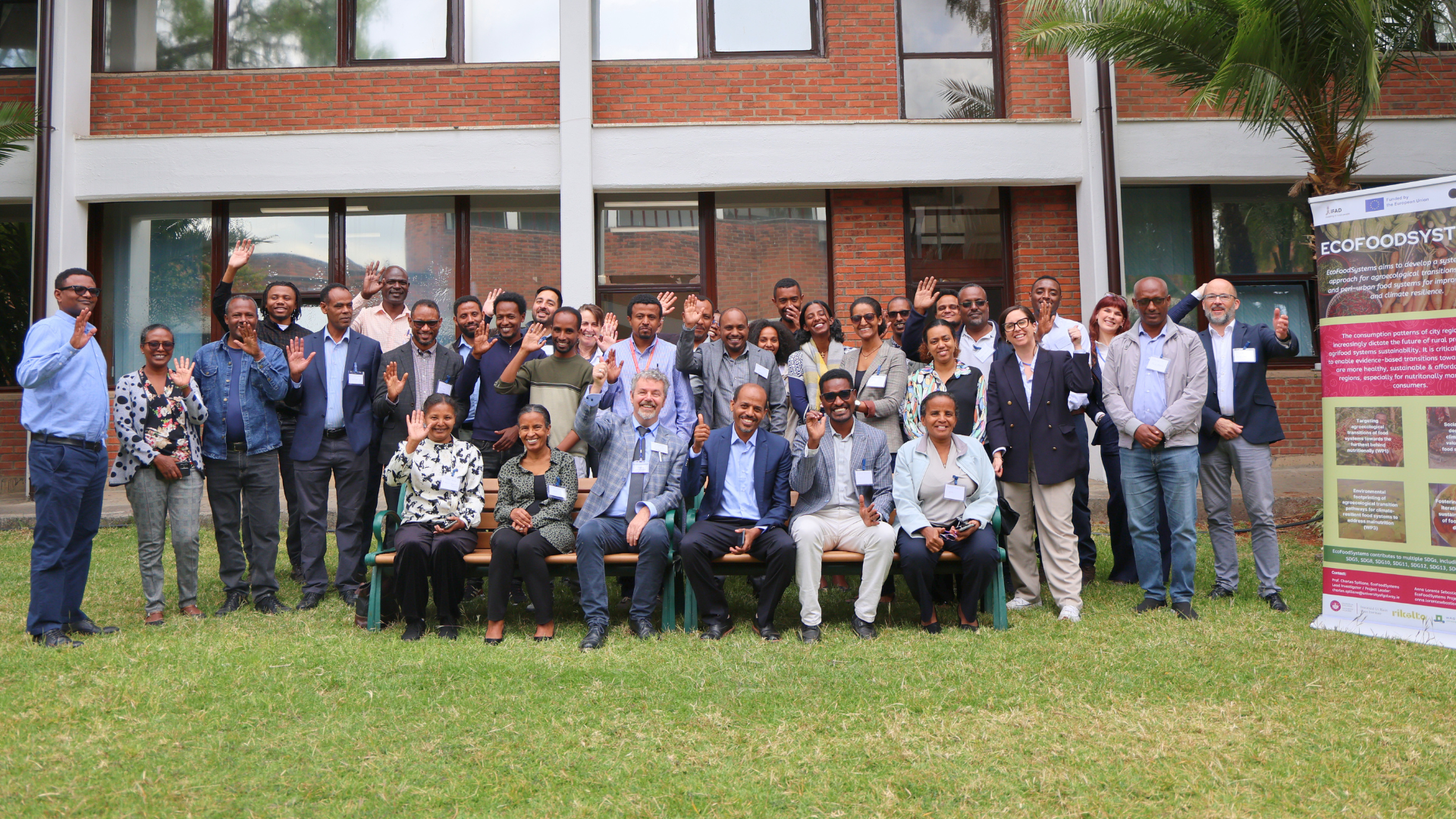
Data is a critical enabler of good decision-making. But how can people make decisions when the data they need is fragmented, myriad or difficult to understand? For food system stakeholders in Addis Ababa, this is a daily barrier to the work they do improving food systems in the city. How can we better support food systems stakeholders in Addis Ababa to make data-informed choices?
As a demand-driven project, EcoFoodSystems, in collaboration with the Ethiopian Public Health Institute (EPHI), hosted our Multistakeholder Inception Workshop in March 2025 to ask precisely this question. The workshop saw stakeholders across branches of government, NGOs, the private sector, academia and researchers, and the development sectors discuss the most important tools they need for food systems decision-making in Addis Ababa. A key insight identified by stakeholders on the day was their requirement for a dashboard that can provide localised insights into the city’s food system.
The EcoFoodSystems Holds Project Stakeholder Dashboard Co-Development Meeting
Since then, EcoFoodSystems have taken these insights on board and generated a city-region specific dashboard for Addis Ababa, with the aim of supporting easier, evidence-informed decision-making for stakeholders in the region.
To ensure the dashboard aligns with stakeholder needs, the project held a pilot test of the first iteration of the dashboard with 37 food system experts working in Addis Ababa. The day-long participatory consultation was held by the University of Galway team of the EcoFoodSystems project in collaboration with the International Livestock Research Institute (ILRI) and Ethiopian Public Health Institute (EPHI).
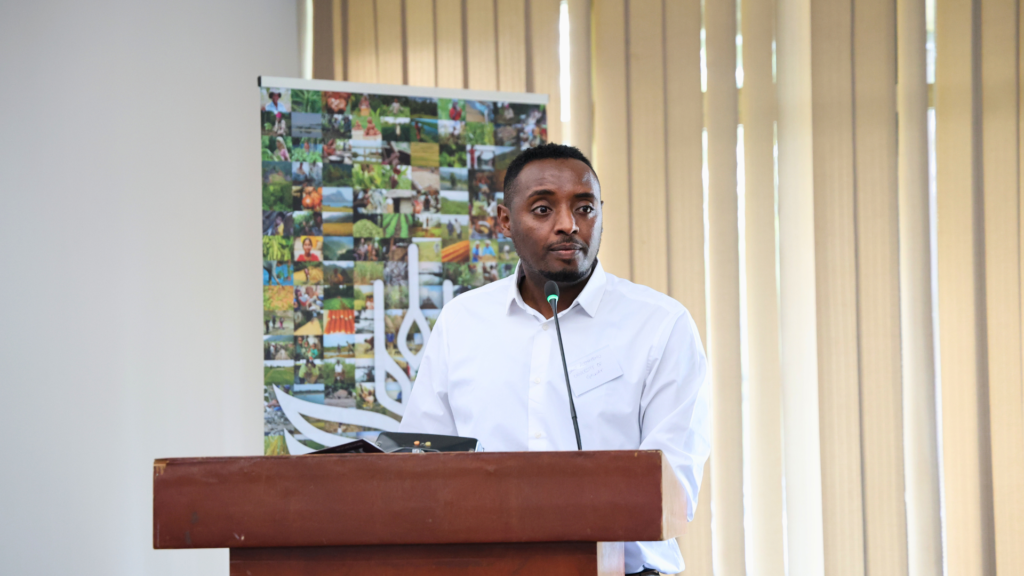
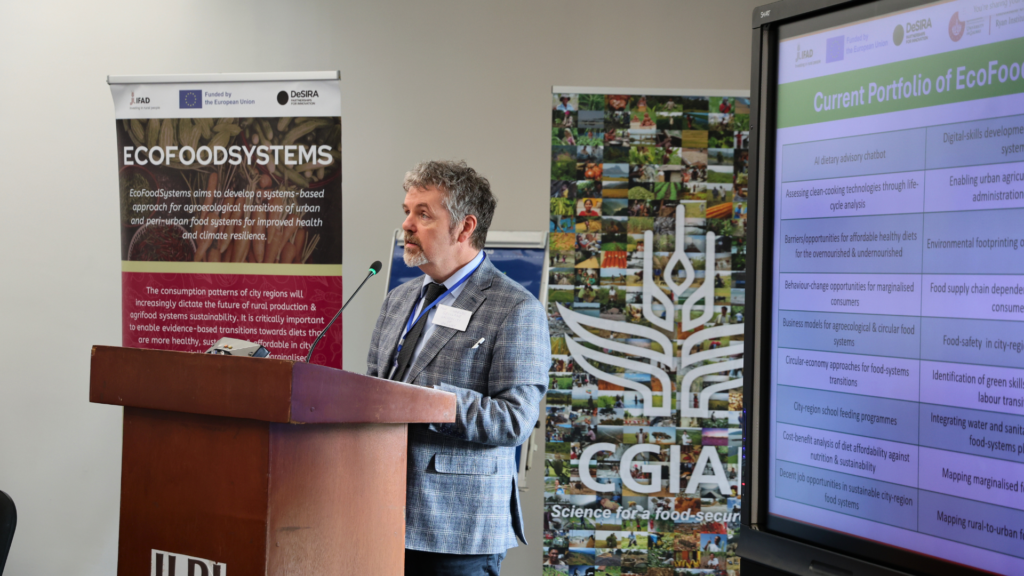
Framing discussions of the day were opening remarks from Prof. Charles Spillane, Head of the EcoFoodSystems Project, and Dawit Alemayehu Chekol, EcoFoodSystems PhD Researcher.
Stakeholders Lead Next Steps for the Addis Ababa City-Regional Dashboard
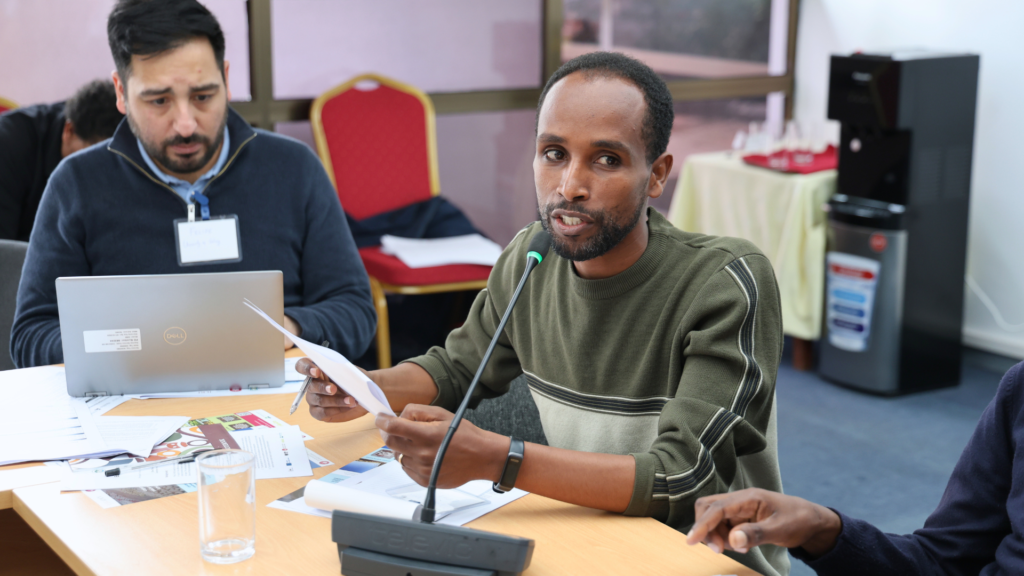
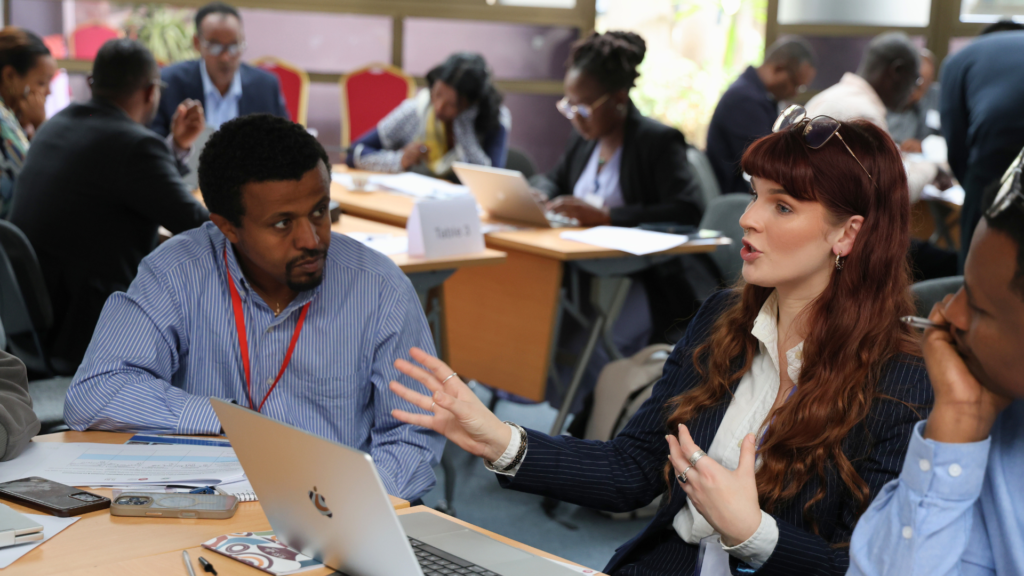
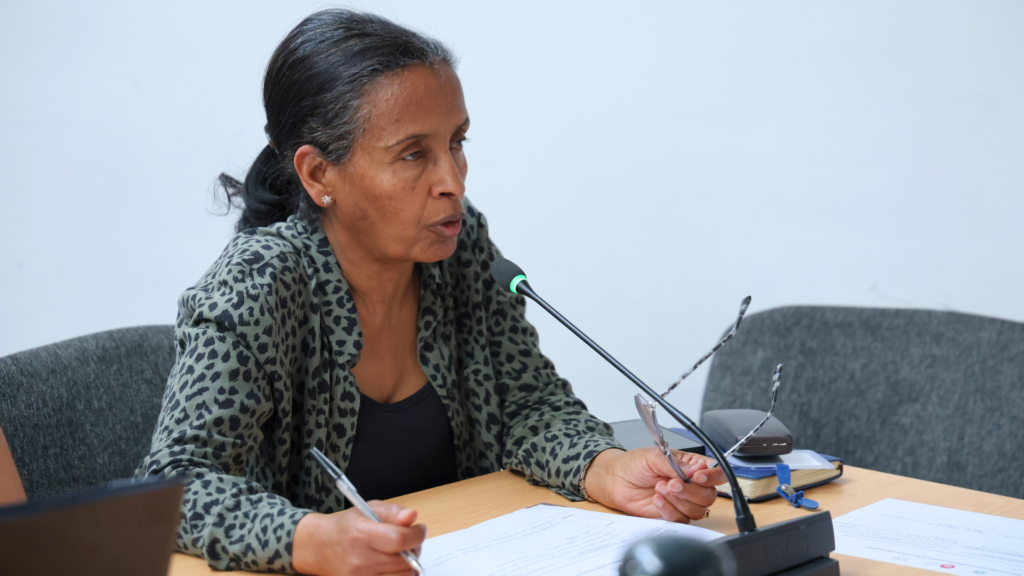
Following opening remarks, expert participants in attendance reviewed the dashboard. The dashboard collates data and food system indicators across 12 different dimensions relevant to all ten of the sub-cities of Addis Ababa. Users can use the dashboard to find other food system actors working in the region, investigate key metrics related to food flows supply chains and environmental foot printing, explore resilience to food system shocks, or review multidimensional poverty mapping of the city, among other focus points.
Participants at the consultation explored the dashboard across these features, providing feedback on usability, usefulness of provided data and indicators, and potential next adopters of the dashboard. Feedback from participants is already being implemented by the dashboard team with the aim of providing an improved version for expert review in the coming year.
Alongside the dashboard demonstration, the event also shared findings from the October EcoFoodSystems Workshop on “Policy, institutional & governance innovations for sustainable, healthy and affordable diets in Addis Ababa”, and facilitated a group discussion on research and partnership priorities for large-scale impact in Addis Ababa.
What’s Next for the EcoFoodSystems City-Regional Dashboard?
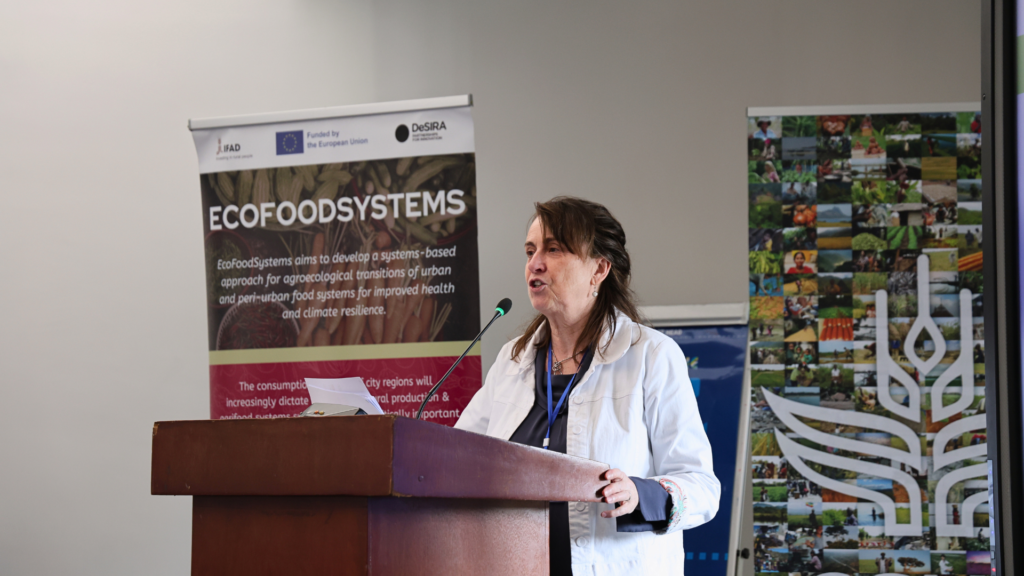
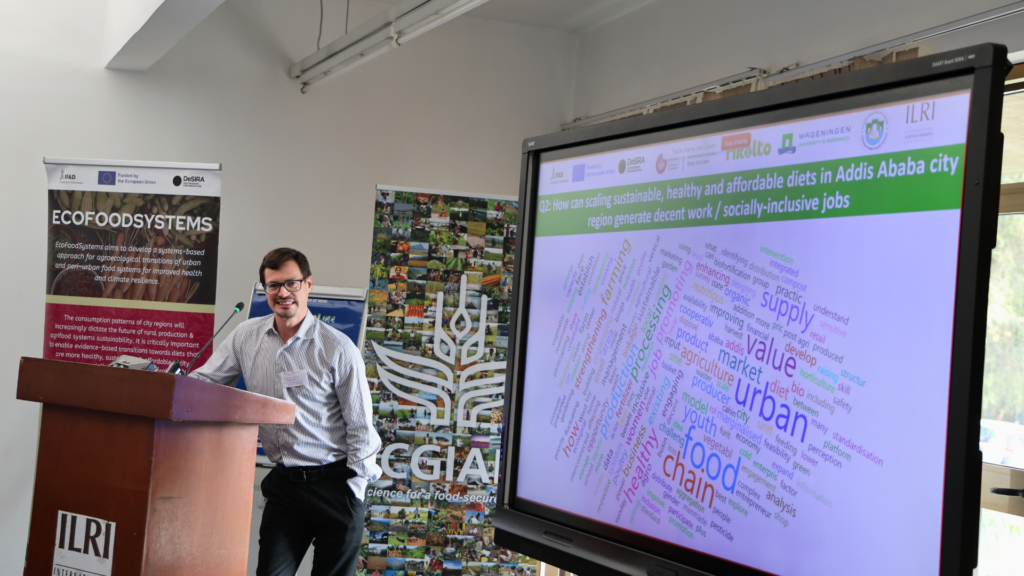
The event provided timely feedback to the EcoFoodSystems research team developing the dashboard: Jemima O’ Farrell, Yared Tessema, Shamilah Nassozi, Ky Hoang, Dawit Chekol, Minh Duc Tran, Carlos Rodriguez Plaza and Vibeth Porras Gonzalez. As the dashboard enters the second phase of development, stakeholders’ feedback provides critical guidance on next steps for dashboard development.
The EcoFoodSystems project extends thanks to IFAD and the European Union DeSIRA initiative for funding of the project, and to collaborators in ILRI and EPHI who contributed to the development and running of this workshop. The team looks forward to implementing stakeholder guidance into the next iteration of the tool, which will be presented to stakeholders working in Hanoi city region in the coming months.