
Climate Change and Nutrition: Key Insights from the Nutrition for Growth Summit 2025 Side Event
EcoFoodSystems researcher Vibeth Porras Gonzalez attended the N4G Summit 2025 side session on Nutrition and Climate Change.
How can we realise nutrition goals in a rapidly changing climate? This was the US$27 billion-dollar question at the 2025 Nutrition for Growth Summit. Twelve years on from the original Summit in London, policymakers, researchers, and civil society actors from across the world met in Paris to mobilise just under 28 billion USD in funds for global nutrition goals.
The event, held on March 27th and 28th, placed the focus on the links between climate change, malnutrition, and health system financing. Leaders in the nutrition space including FAO, WHO, UNICEF, the Scaling Up Nutrition (SUN) Movement, and the World Bank led the discussion. Also in attendance was EcoFoodSystems researcher Vibeth Porras Gonzalez who joined online to hear leading insights on “Investing in Integrated Climate and Nutrition Actions”.
How Can We Invest in Integrated Climate and Nutrition Actions?
Vibeth highlighted four key takeaways for researchers and policymakers interested in the link between climate action and nutrition.
- Climate impacts nutrition. Joanne Raisin, Director of the SUN Movement, explained that rising temperatures and elevated CO2 levels can reduce protein, iron, and zinc in staple crops by up to 40%.
- Economic barriers limit healthy diets. Around 2.8 billion people cannot afford a nutritious diet, according to The State of Food Security and Nutrition in the World 2019. Climate-driven agricultural disruptions worsen this challenge.
- Woman and children are most at risk. Women and children are more likely to suffer health effects from climate change. Saskia Osendarp highlighted studies in India showing that extreme heat doubles the risk of miscarriage and contributes to higher undernutrition rates, emphasizing the need for gender-transformative approaches.
- Climate-smart agriculture, crop biodiversity, and fortified foods were identified as essential strategies to improve food security while mitigating environmental impacts.
Country Experiences in Linking Nutrition and Climate
Research and policy from Pakistan, Brazil and Madagascar provided further insights with country-specific examples of key barriers and opportunities for food systems:
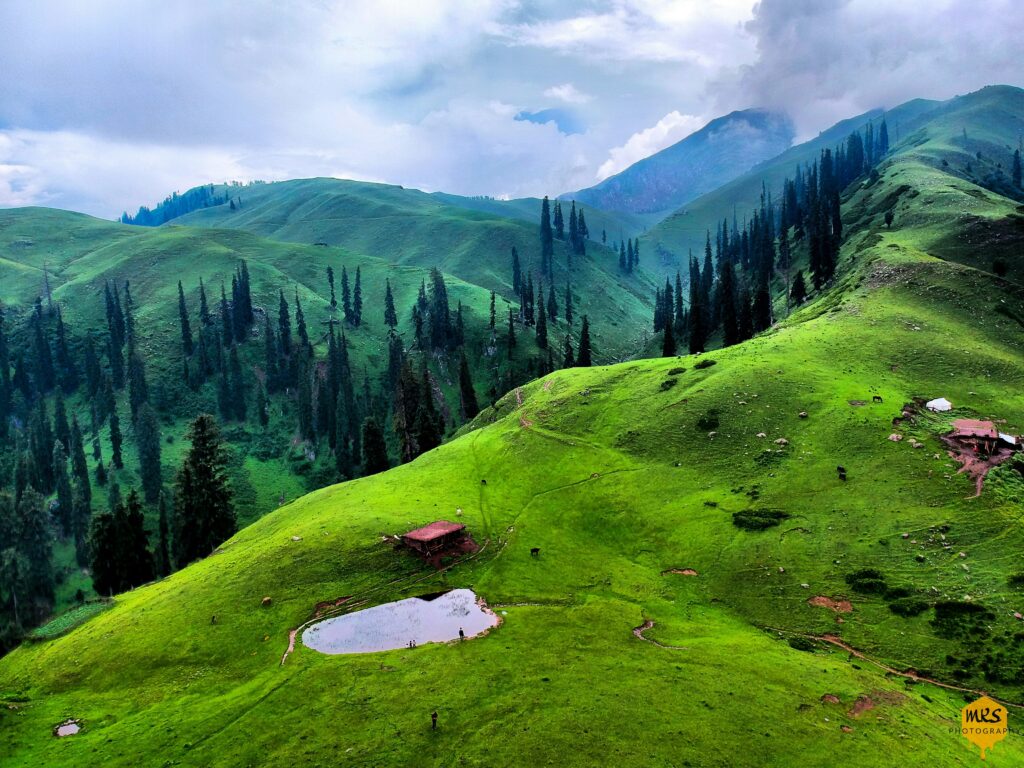
- Pakistan: Research by Nauman Khalid shows that despite multiple programs to combat malnutrition, stunting remains at 40% due to fragmented policies.
- Brazil: Researchers in Brazil have developed a Multidimensional Index of Sustainable and Resilient Food Systems through funding from World Wide Fund for Nature (WWF) in Brazil to guide policy, highlighting the importance of cross-sectoral collaboration for actionable public health data.
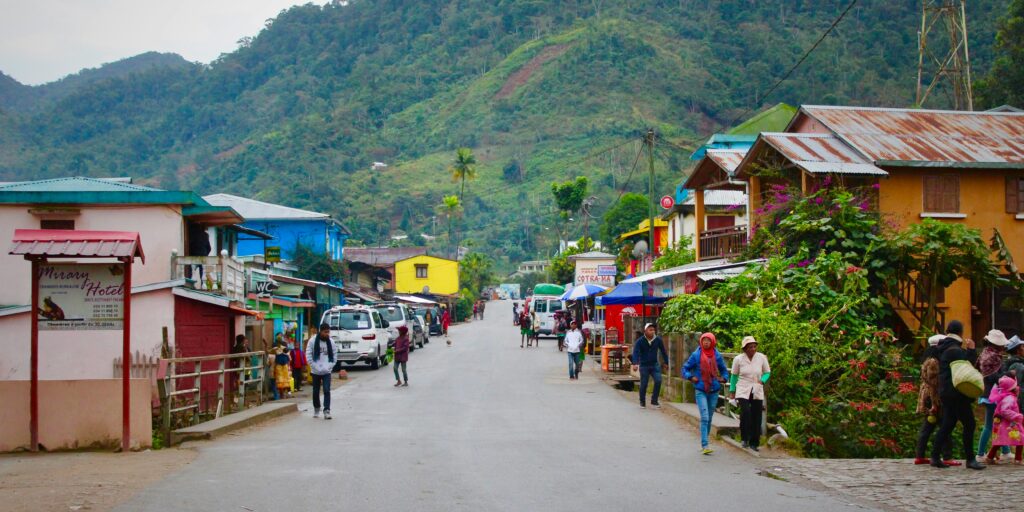
- Madagascar: One of the world’s most climate-vulnerable countries, as noted by Prof. Hanta Marie Danielle Vololontiana, now uses evidence-based financing to prioritize aid for the populations most affected by climate and nutrition challenges.

Moving from Evidence to Action
Nancy Aburto, Deputy Director of FAO, summarized the summit’s key message: climate change and nutrition are inseparable, and immediate action is possible. Using existing evidence, scalable interventions, and lessons from across the world, governments and partners can implement targeted, effective strategies to build resilient food systems together.