EcoFoodSystems Shares Latest Research at CGIAR Science Week 2025
Ciara Varley, Anna Lorente Sebastian, Peter McKeown.
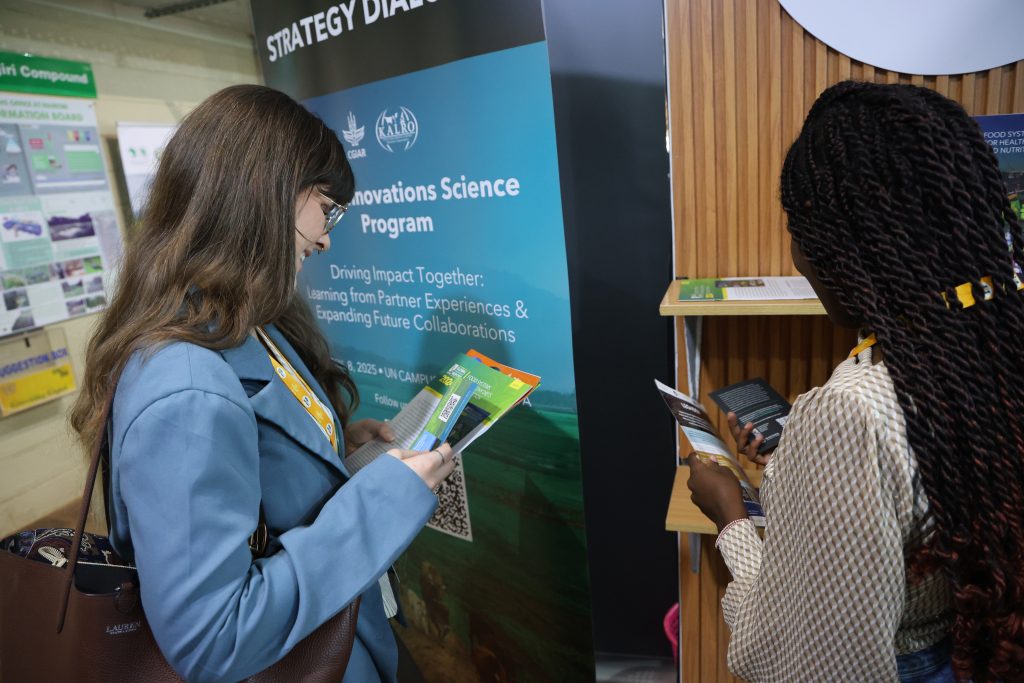
EcoFoodSystems recently attended CGIAR Science Week in Nairobi, Kenya. The team shared our findings on MPI mapping of the Addis Ababa city region in an event focused on the use of AI for innovation.
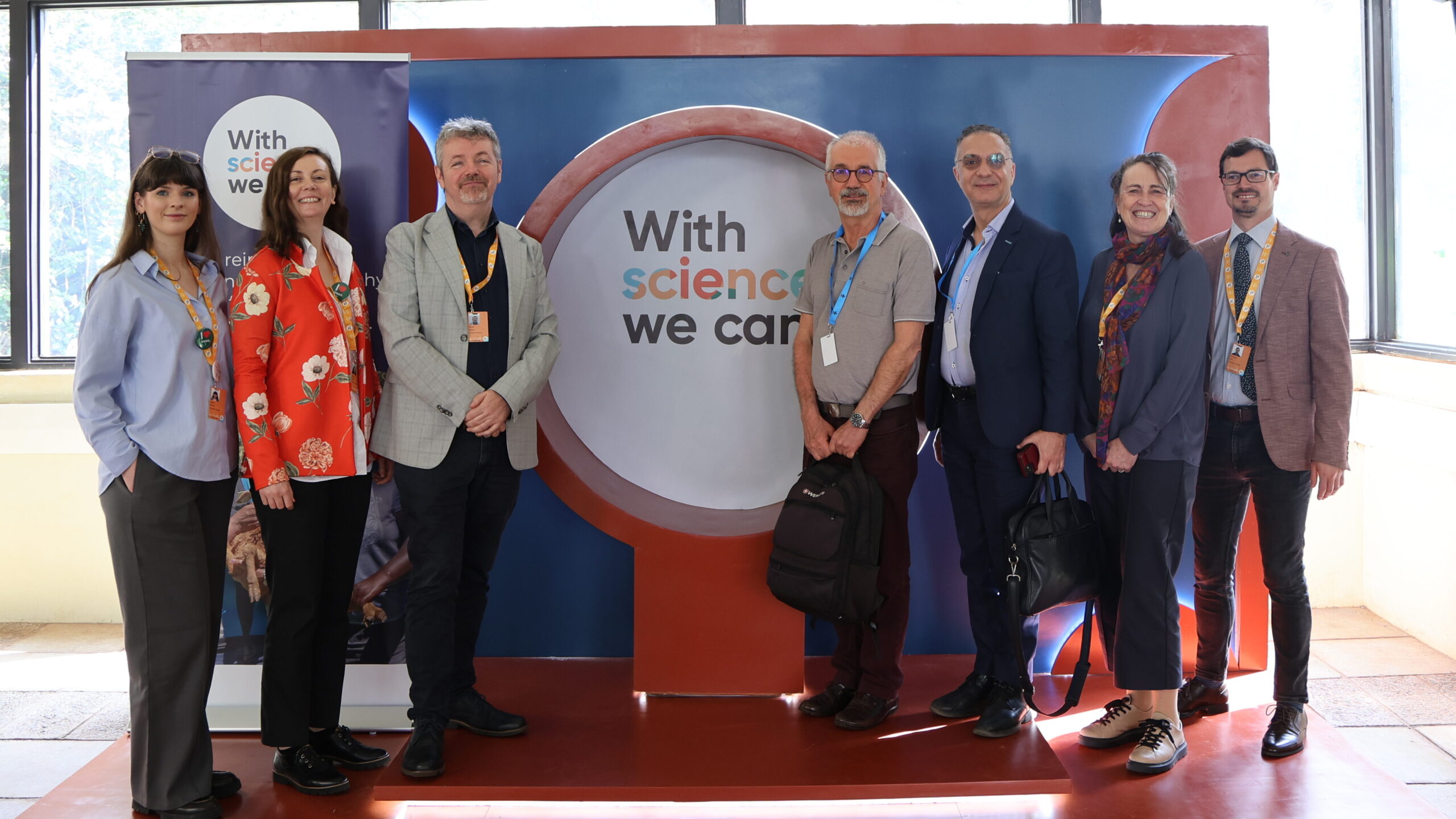
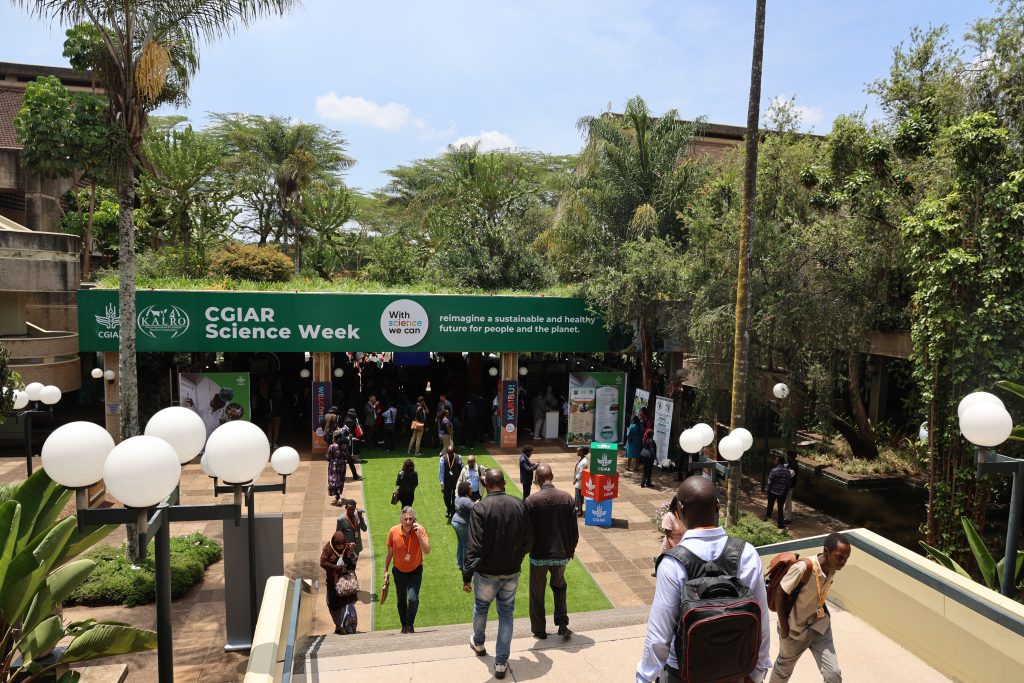
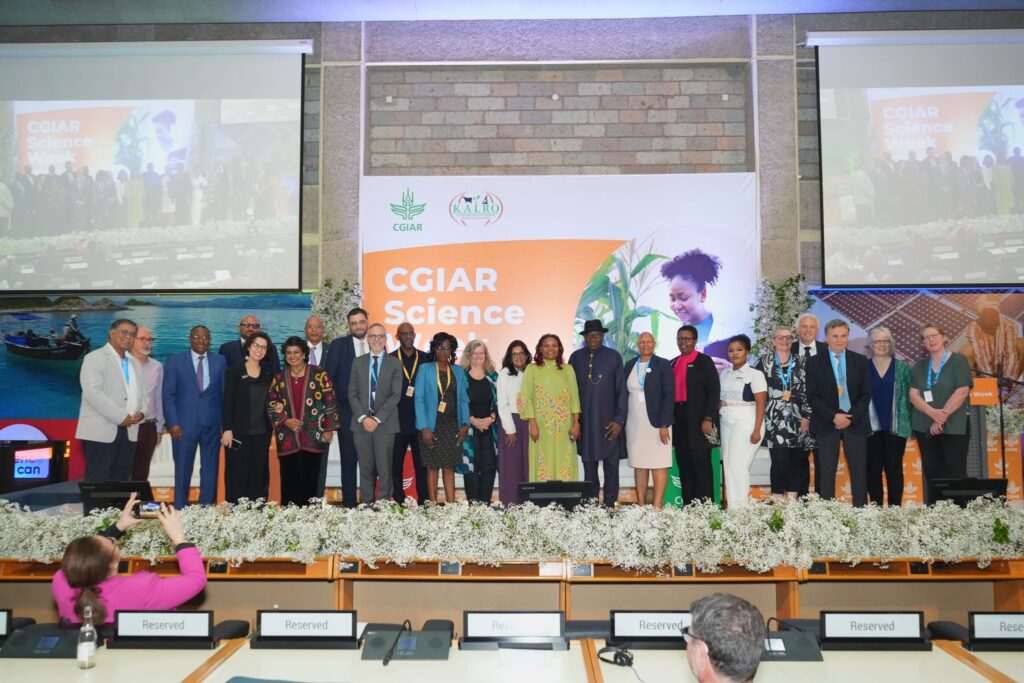
The EcoFoodSystems team recently joined over 8,000 scientists, policymakers, and innovators at CGIAR Science Week 2025 in Nairobi, Kenya from April 7th to 12th. The week-long conference was run by CGIAR in partnership with the Kenya Agricultural & Livestock Research Organization (KALRO), and took place at the United Nations Headquarters in Nairobi.
The week-long conference brought together over 8,000 leading scientists, policymakers, and stakeholders from CGIAR and its partner networks, including NGOs, universities, civil society, farmer organizations, and the private sector.
The conference provided a valuable platform to highlight EcoFoodSystems’ work on sustainable, nutritious, and affordable urban food systems, and to engage with decision-makers and practitioners shaping food systems around the world.
EcoFoodSystems Presents on AI-Enabled Geospatial Mapping for Food Systems
At the Science Talk “AI-Powered Innovation: Acceleration Research for Agri-Food System Transformation” Prof. Charles Spillane and Jemima O’Farrell presented EcoFoodSystems’ research on Multidimensional Poverty Index (MPI) vulnerability mapping in the Addis Ababa city region.
The project integrates machine learning with geolocated household surveys, climatic data, and socioeconomic geospatial predictors to reveal spatial patterns of MPI vulnerability. The findings identify priority areas for intervention, including a need for improved food access in urban neighborhoods; targeted nutrition programmes; and strategies to enhance sustainable urban food systems
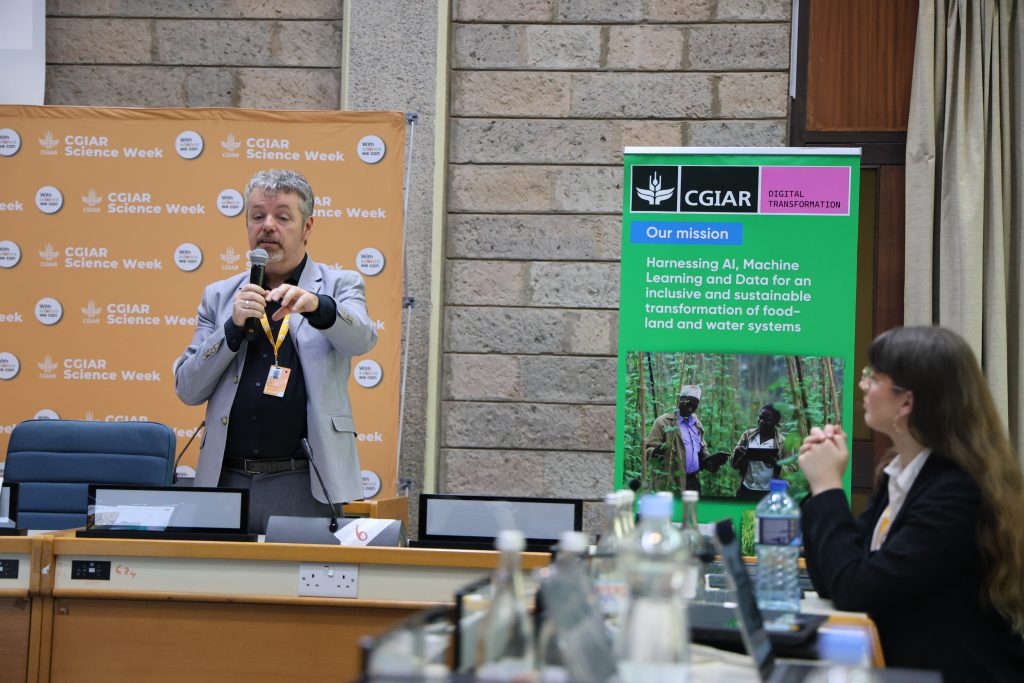
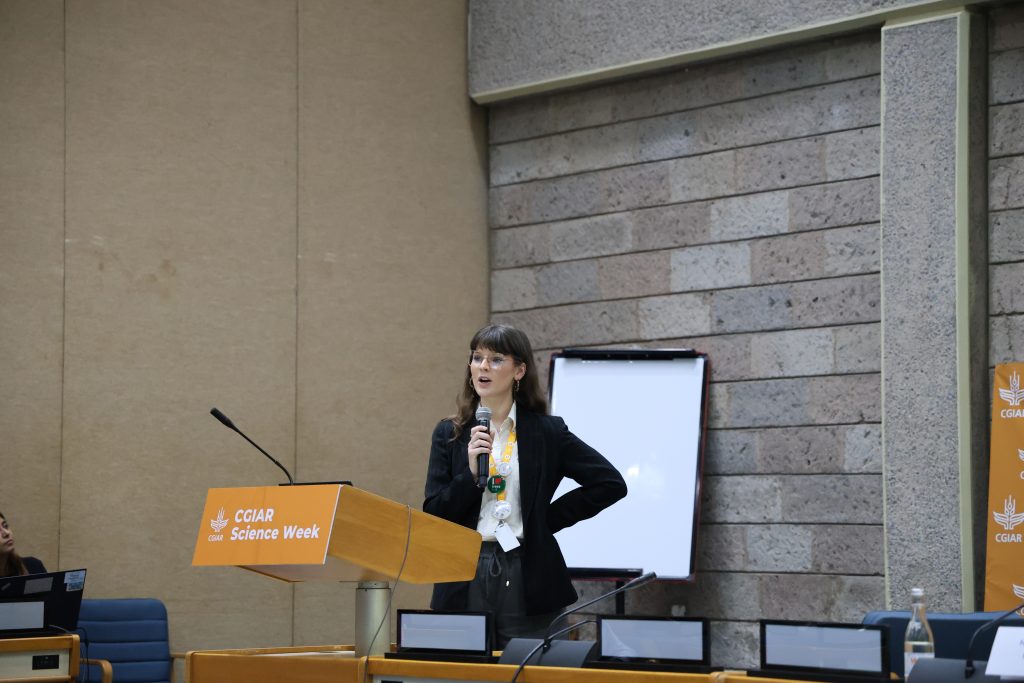
The presentation followed sessions from Google AI and Google Research Africa, demonstrating the growing role of AI in transforming agri-food research.
Key Insights from CGIAR Science Week
Several sessions offered during the week provided practical insights for EcoFoodSystems and others working at the intersection of food research and policy:
- Work directly with decision-makers: Dr. Mukani Moyo (CIP, CGIAR Urban Food Systems) emphasized that urban food system interventions are most effective when planners and policymakers are engaged early in the process. Infrastructure can be built with producers and supply chains in mind: reducing food waste and supporting safe and effective food environments.
- Align research priorities with youth entrepreneurship: Dr. Josey Kamanda (IWMI) highlighted the value of clarifying innovation themes before partnering with young entrepreneurs. Targeting entrepreneurs already active in relevant sectors can help maximize impact in projects that are working under time constraints.
- Find common ground across research areas: Dr. Katrina Kosec (Deputy Director, Food Frontiers & Security) recommended identifying shared topics and geographies to encourage collaboration across disciplines.
Next steps for EcoFoodSystems following CGIAR Science Week
Since its launch in 2022, EcoFoodSystems has worked in partnership with national and local stakeholders engaged in food system transformation. CGIAR Science Week was thus an exciting opportunity to share accomplishments and challenges with partners across the CGIAR and other stakeholders The team looks forward to continuing to advance our work on sustainable, nutritious, and affordable diets in city regions over the coming year!