
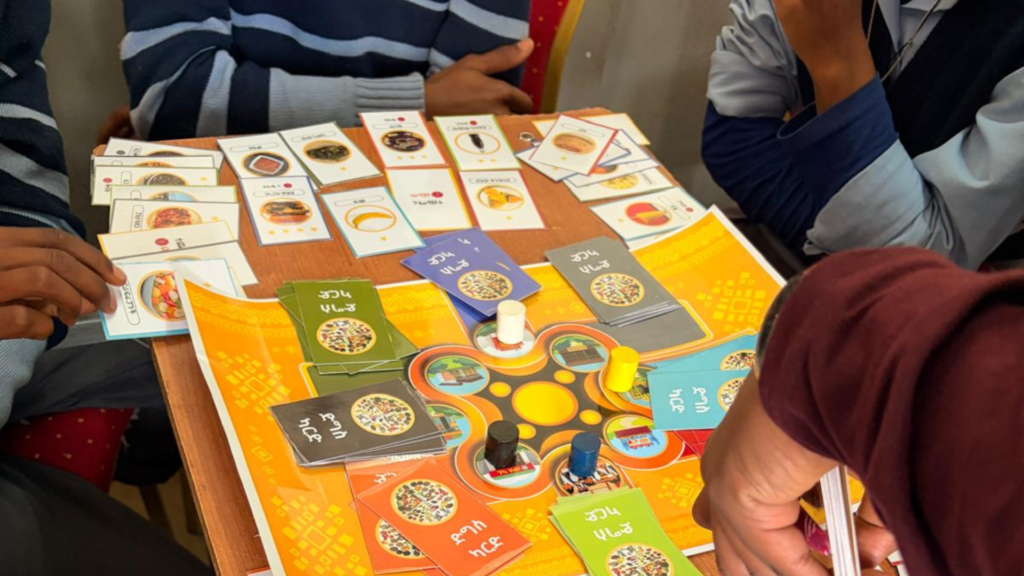
Playing for Change: Adolescents’ Experiences of Playing Serious Games about Healthy Diets
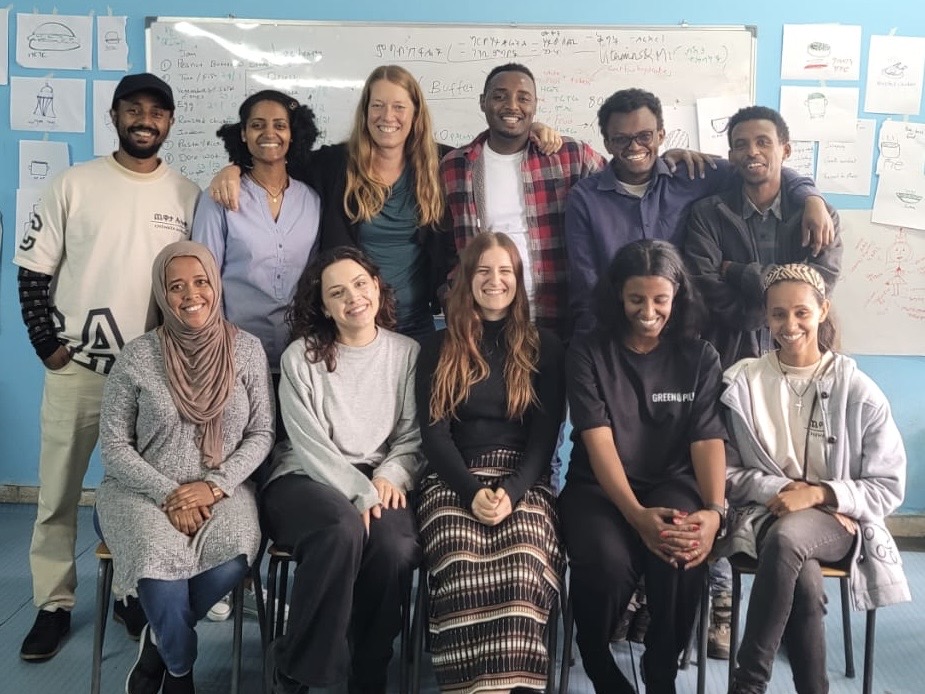
By: Mestawet Gebru, Dawit Alemayehu Chekol, Tizita Kentiba, Dagmawi Bedilu, Bine Liem, Sterre van Maanen, Eman Hassen, Ciara Varley, Peter C. McKeown, Endale Amare, Masresha Tessema, Elise Talsma. | February – July 2026, Addis Ababa, Ethiopia.
In Addis Ababa, the Gursha Project, supported by EcoFoodSystems, has engaged 302 adolescents with games about food systems. Over 13 weeks, players and practitioners have trialled and tested the games, learning from each other along the way.
What can fun and games do for healthy diets? EcoFoodSystems and others have been thinking about this question through some recent research.
Together with Ethiopian Public Health Institute (EPHI), Wageningen University and Research, the Alliance of Bioversity International and CIAT, and Efuye Gela, the University of Galway EcoFoodSystems team has been implementing a set of 3 serious games based on messages from the Ethiopia’s Food Based Dietary Guidelines in six Addis Ababa secondary schools.
| Learn more in our first blog post – Serious Games in Ethiopia: EcoFoodSystems Develops Game Toolkit for Addis Ababa’s Adolescents
Carefully designed to implement key elements of play alongside learning outcomes, the games aim to support players to learn more about food-based dietary guidelines. In turn, the games’ practitioners hope that players might be motivated to follow more healthy and sustainable diets.
While the games have been successfully created, the team is still yet to see: will the games have an impact on adolescents’ knowledge on healthy diets, or changed their diets?
From concept to classroom: implementing Gursha Games for food systems impact
An exciting next step was marked by a move into play as the team shifted focus to implementation of the game. It’s a critical moment for the project, where the games’ goals – raising awareness of healthy diets and encouraging healthier dietary behaviours among adolescents – can be put to the test.
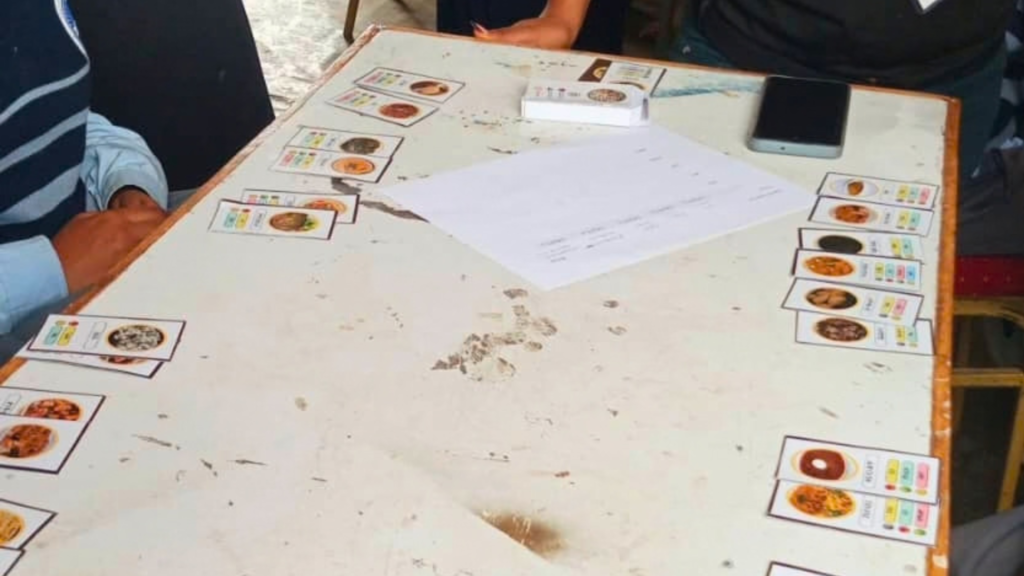
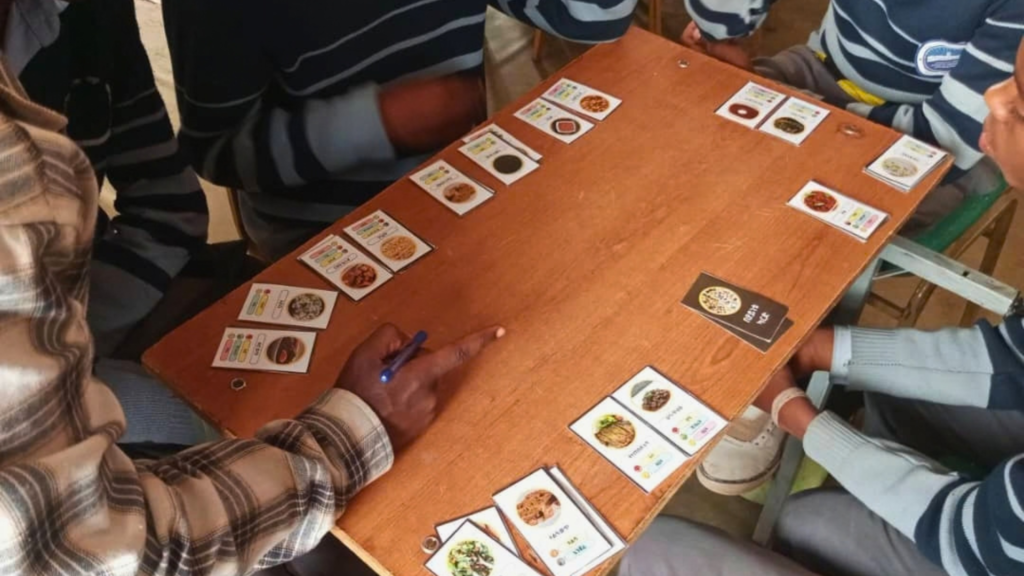
To see what teenagers think about the games, the game development team implemented the project with 12 high schools in Gullele sub-city, Addis Abeba, Ethiopia, totalling 603 students from grades 9 to 11, with approximately 50 students from each school. The researchers played the game with six schools of 302 students, while another six schools of 301 students followed with their regular curriculum. This split approach allows researchers to see the impact playing the games can have on players’ diets.
Trained game masters of Efuye Gela facilitated the game play weekly in groups of five students for 20-30 minutes each day, with sessions rotating between the six intervention schools from Monday to Friday, working directly with field coordinators and representatives from each school to ensure the selected students engaged with the games on a weekly basis by responding to implementation challenges.
Successes stories, practical challenges, and lessons learned along the way
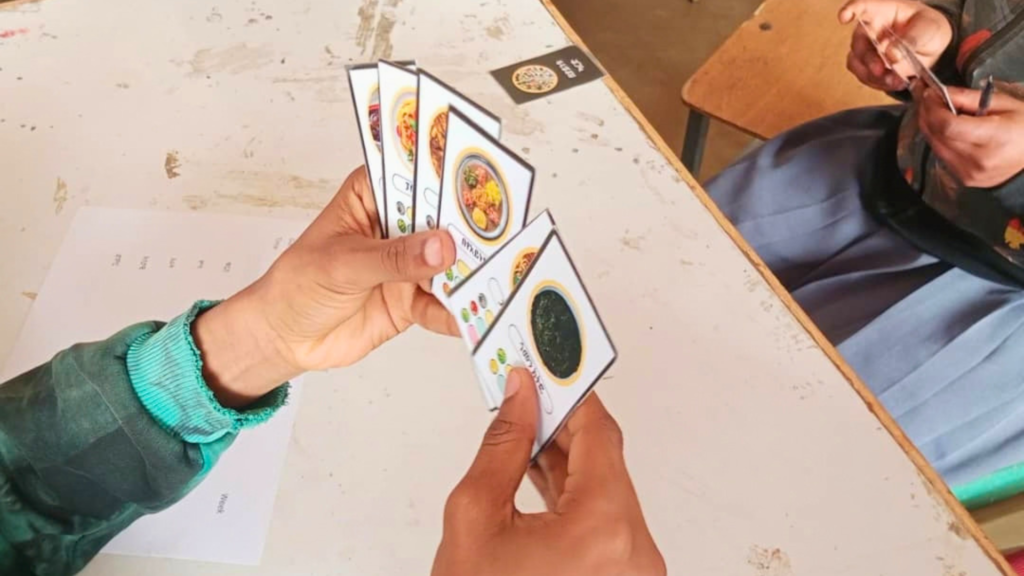
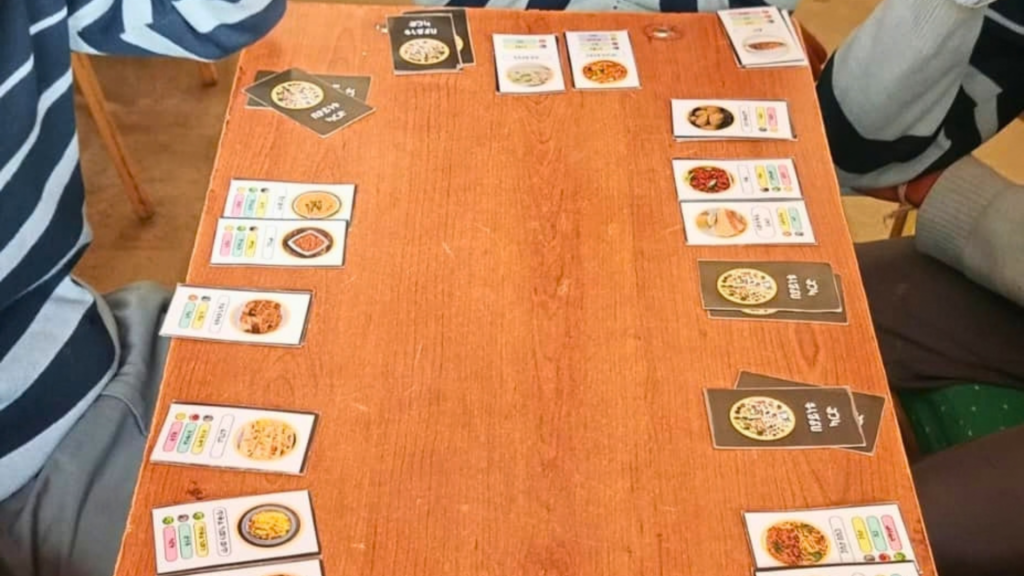
The games’ implementation saw lots of positive outcomes, including some the team didn’t predict. Lots of students showed interest in the games despite not being part of the implementation group. And with this, the games’ practitioners saw spontaneous knowledge exchange.
“It was interesting to see how students took the initiative to educate their peers with their learnings from the game. We saw players explain key concepts like food groups, serving sizes and healthy diets to their classmates. That peer-to-peer learning was great to see!”
Tizita Kentiba, Project Manager, Efuye Gela.
But challenges appeared too: changes to academic calendars due to the upcoming national election; reduction in student availability in the lead up to major holidays; and a drop in attendance mid-way through the project all impacted the planned implementation.
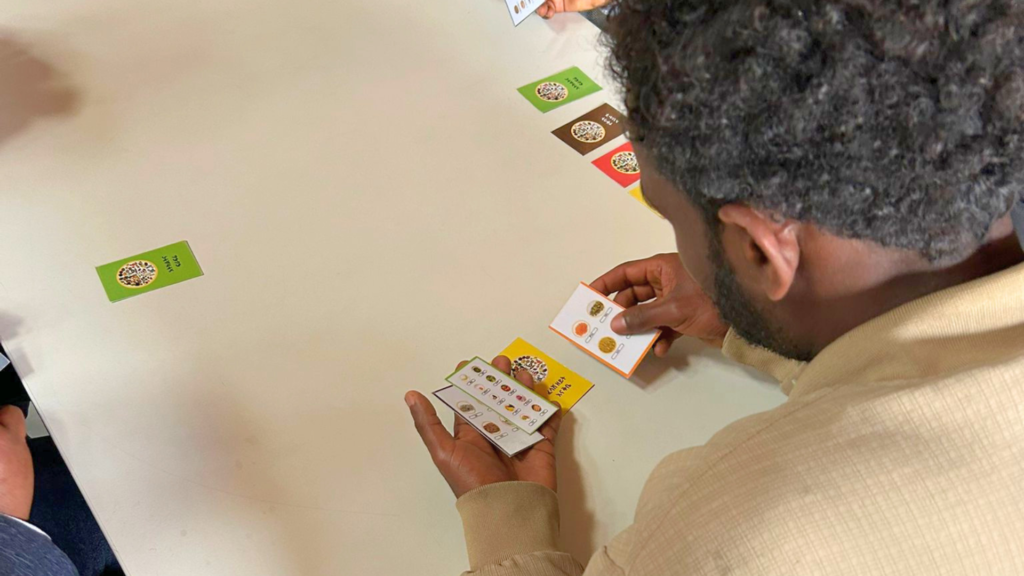
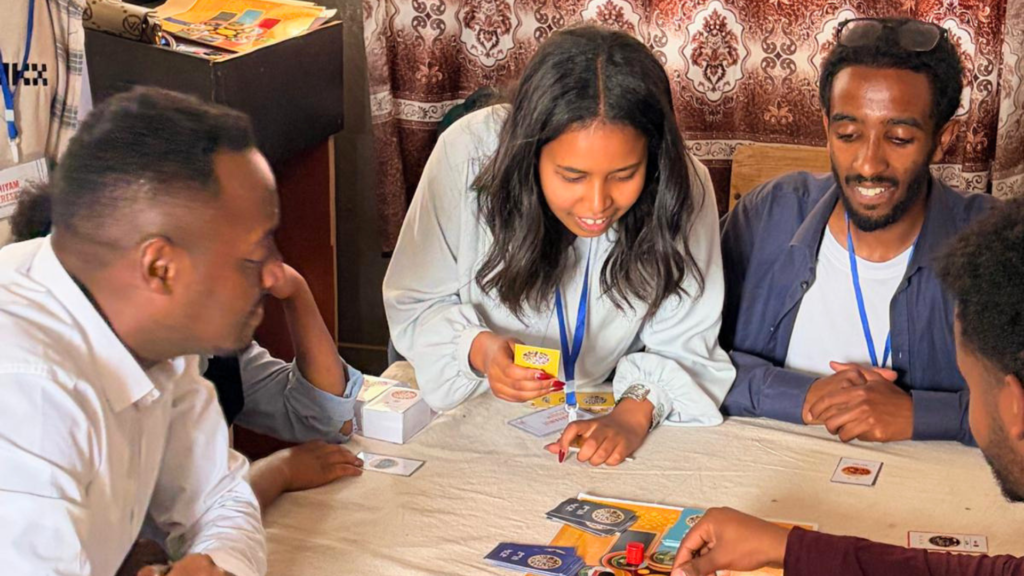
These challenges created opportunities for the team to refine their implementation techniques and strengthen engagement with school administrators, focal persons, facilitators, and the project team.
“We definitely faced some unexpected challenges, but these were great learning opportunities. I think one of the biggest learning for us was the importance of regular review meetings. Reviewing how the trials were going helped us ensure we were consistent in implementing the game, while still allowing us to have the flexibility needed to address the needs of each specific school”.
Mestawet Gebru, Local Principal Investigator, Wageningen University & Research
Another difficulty related to when the games were played. To implement the games without disrupting normal learning activities, the facilitators had students play the games during their lunch break. Perhaps unsurprisingly, giving up their lunch breaks to play the game made it harder for players to sustain interest in the long-term, and interest in playing began to decrease around the mid-point.
To address this, the team had to think creatively about retention. A solution emerged in the introduction of new levels in the game, alongside a reward system for top players.
“We had to adapt quickly and think of some solutions to generate interest in the games again. We came across a few solutions that worked really well. For example, we introduced new levels in the game and created a reward system for the top players. Star players could receive a gift of their choosing. This led to a big boost in re-engagement with the game. That was a great outcome!”
The Gursha Games Project Team
While navigating these challenges required some clever solutions, for the game team it was all worth it. A persistent and creative approach ensured the games were played right to the end of the trial period. While final analysis is still underway, the team were lucky enough to already hear some promising feedback from students directly during the implementation period:
Key insights from students
The games taught us about food, and I actually changed my own eating habits because of it.
Student, School 4
I want to focus on my meals more going forward.
Student, School 1
The games helped me understand how to organize my diet daily to live healthy.
Student, School 6
Celebrating some seriously fun games
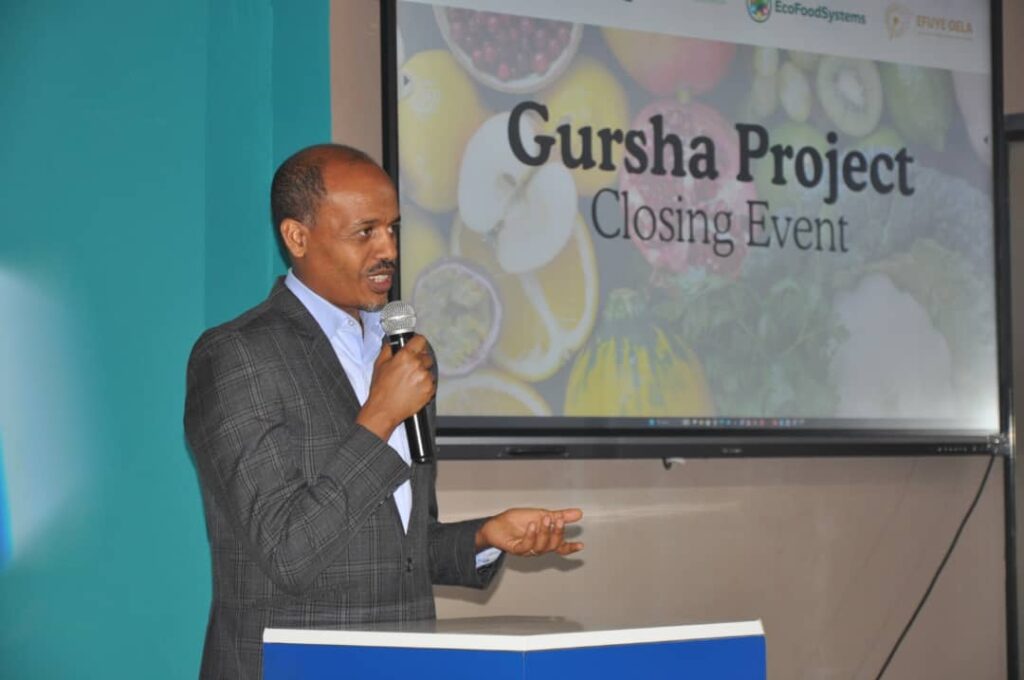
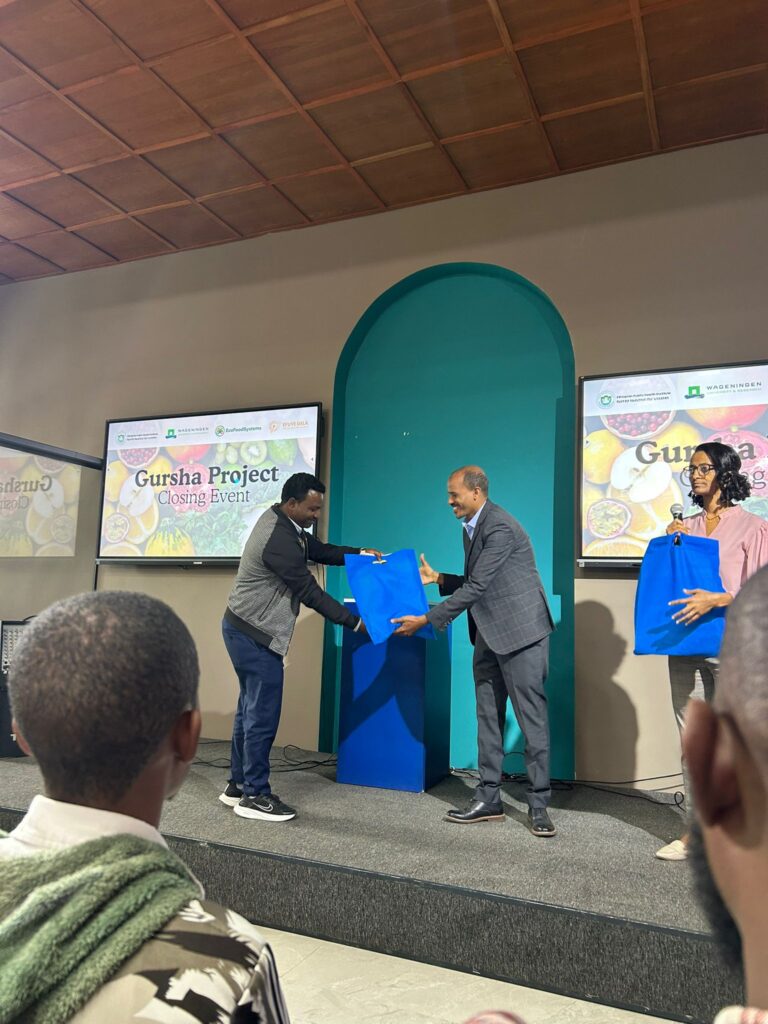
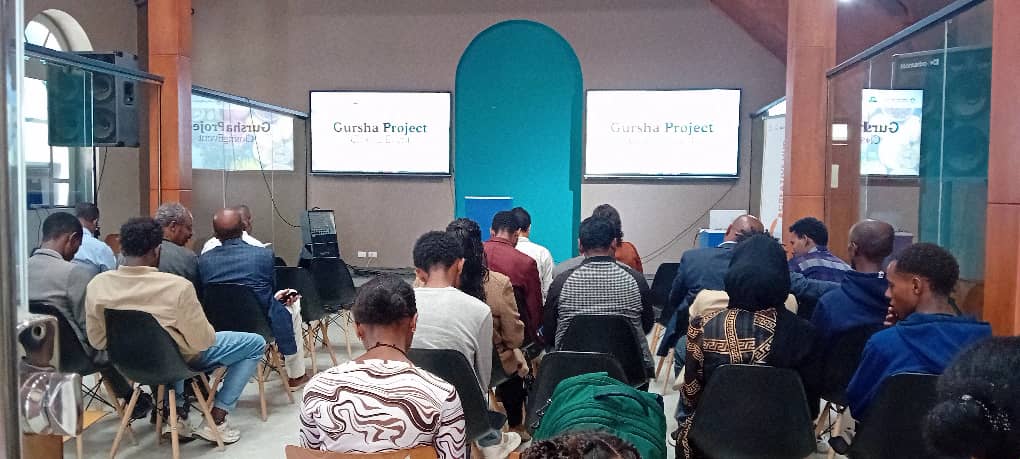
After implementation of the games wrapped up, the project held a closing event on July 06th, 2026. The closing showcase brought together top-performing students and their families, school representatives, directors from all 12 schools, and government representatives from the Ministry of Agriculture, Ministry of Health, and Ministry of Education.
The event provided an opportunity to award the top-performing students, reflect on the implementation journey, and discuss next steps, such as how the games could be integrated into the current curriculum.
A highlight of the event was handing over a copy of the games to all the participating schools. Students can continue to enjoy and learn from the games in the future: a standout moment for the project team.
The project now needs to see exactly how effective the games were at achieving their goal: improving knowledge of food based dietary guidelines. Until then, there have still been lots of learnings to date; most memorably for the team, what delivering school-based interventions is really like.
Results from the game’s final analysis will clarify the intervention’s exact impact, helping inform future education and policy decisions that can support more healthy diets for Addis Ababa’s youngest food consumers.
The EcoFoodSystems project extends thanks to the EU DeSIRA initiative for funding of the project, and the International Fund for Agricultural Development (IFAD) for management support. We also express our sincere gratitude to all of the adolescents who took part for sharing their experiences and time. We are grateful to our partners, school representatives, and administrators for their support in coordinating adolescents and facilitating the project implementation, and to the entire research team who contributed through implementation, review, and valuable input!
To learn more about the games, keep in touch with EcoFoodSystems through our website or LinkedIn, and explore the games on the Gursha website.